
Comfort. Access. Independence.
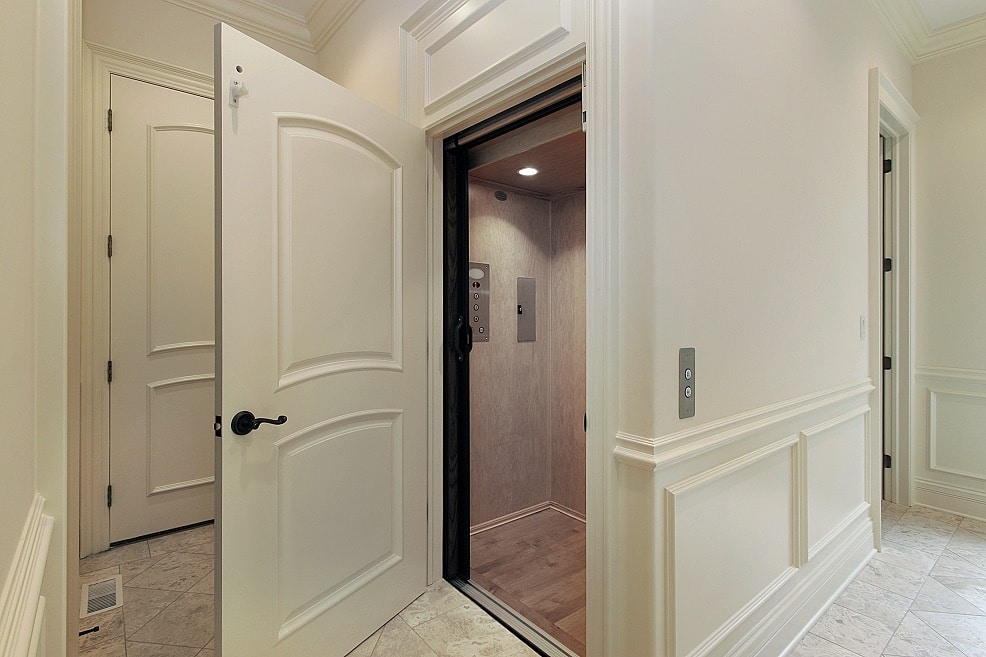
Adding a home elevator becomes a practical option when stairs begin influencing how the home is used. Spaces that were once part of everyday routines may become less convenient to access, and moving between floors can require more effort than it once did.
A home elevator can help preserve access throughout the home while supporting comfort, independence, and long-term living goals. Rather than adapting daily life around the stairs, homeowners can continue enjoying the home in a way that feels familiar and comfortable.
A home elevator is one way to maintain access throughout the home as needs change over time. For some homeowners, it can help preserve access to upper floors while supporting comfort, independence, and everyday living.
Whether a home elevator is the right approach depends on the layout of the home, available space, daily routines, and long-term goals. Understanding those factors can help determine what solution makes the most sense for the home and the people living there.
When a home elevator is being considered, several options may be available depending on the layout of the home, available space, and project goals.
The options below provide different approaches to helping homeowners maintain access between floors while supporting comfort, independence, and aging in place.
Each option offers different advantages, which is why evaluating the home and understanding long-term goals is an important part of the decision-making process.
Every home is different, which is why there is rarely a single answer that works for everyone. The layout of the home, available space, daily routines, and long-term goals can all influence what may be possible when considering a home elevator.
Understanding the available options is often the first step. The next is determining how those options fit the home, the people living there, and the way they want to live moving forward.
The cost of adding a home elevator can vary based on the type of elevator selected, the number of floors served, available space, structural modifications, finishes, and installation requirements.
Because every home is different, understanding the home, the available space, and the goals for the project is often the best way to determine what options may be available. A conversation can help identify factors that may influence both the design and overall investment.
In many cases, yes. A home elevator can often be added to an existing home, although the approach depends on the layout of the house, available space, and structural considerations.
Understanding how an elevator may fit within the existing structure can help determine which options are available and what modifications, if any, may be required. In some homes, the layout of the home and available space may play an important role in determining the best approach.
Adding a home elevator is about more than moving between floors. It is about maintaining access to the spaces that support daily routines, comfort, independence, and long-term living.
Every home presents different opportunities for improving access. Mistakes to avoid when improving home access can affect how well the home continues to support movement, comfort, and everyday living over time.
If you are considering adding a home elevator for aging in place, schedule a consultation with Paradise Found Construction. Together, we can discuss your goals, evaluate your home, and explore solutions that support comfort, independence, and long-term living.
