See what shapes the build

When you start thinking about building an ADU, the first question is not design—it’s what your property can actually support. Layout, access, setbacks, and how the space needs to function all shape what can be built and where it makes sense.
Before getting into plans or permits, it helps to look at how these pieces come together. This gives you a clear starting point and helps you understand what is realistic on your property before moving forward.
Building an accessory dwelling unit is tailored to your unique vision. Whether it's an in-law suite or an age-in-place addition, work with a design/build builder who knows the local rules.
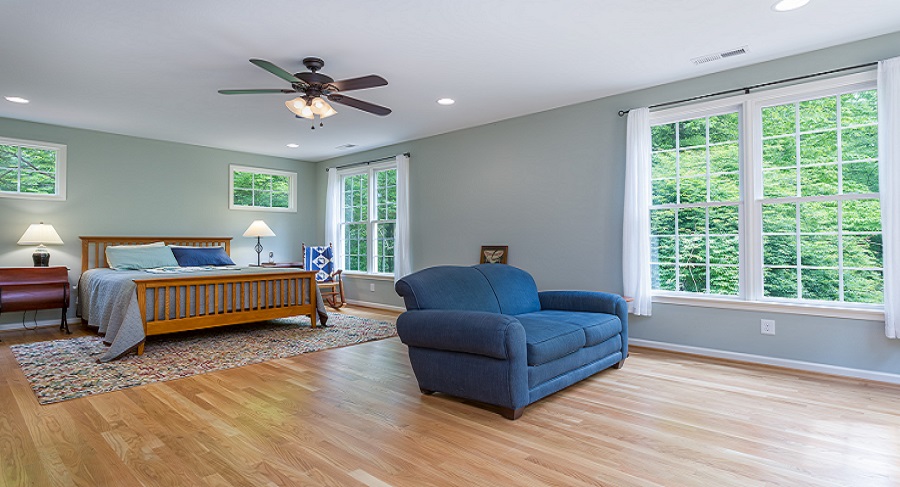
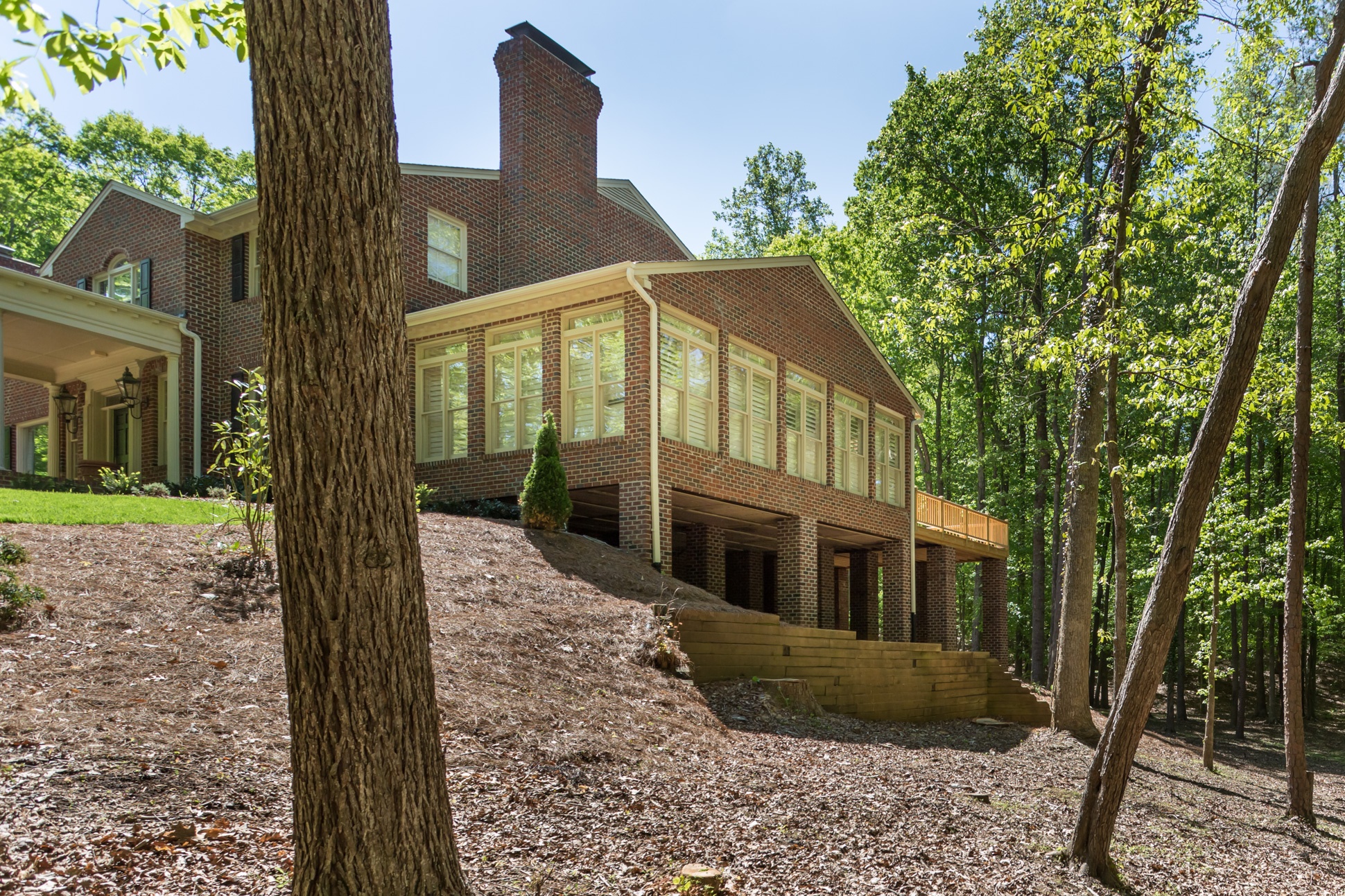
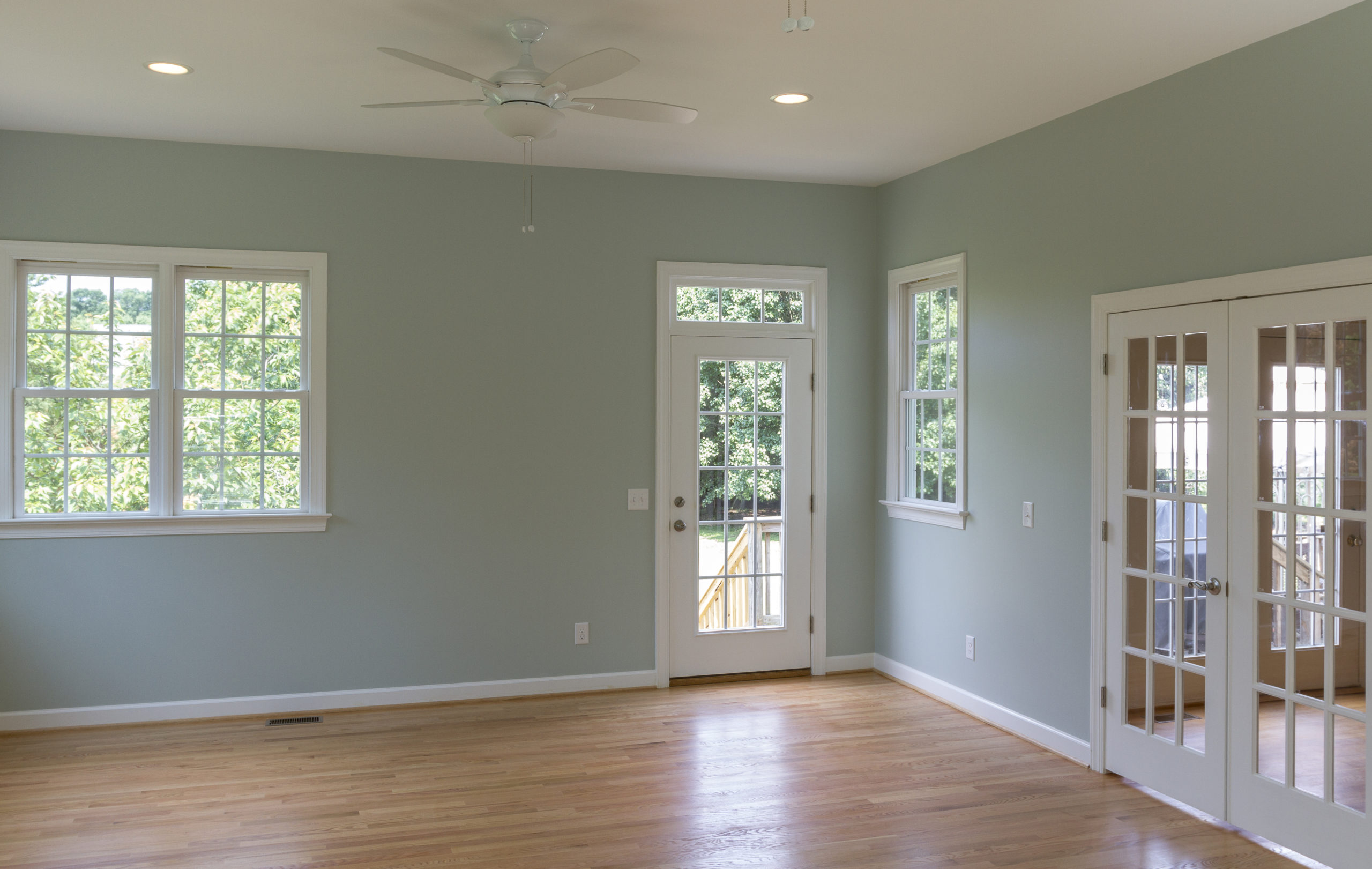
ADUs can be attached, detached, or built over a garage. They usually include a living room, bedroom, kitchen, and bath with a separate entrance to fit your home and lifestyle.


One of the most important steps before starting your accessory dwelling unit (ADU) project is understanding what your local town allows. Rules around size, placement, and permitting can vary significantly between towns—even within the same county.
To help you move forward with clarity, here’s a quick overview of the five service areas we work in, each with a link to its official ADU or zoning guidelines:
Checking your town’s ordinances early helps prevent delays and keeps your project moving.
Local rules don’t just define what’s allowed—they shape how your ADU will actually come together on your property. Size limits, setbacks, and placement requirements all influence where the structure can go and how it connects to your home.
What works on one property may not work on another, even within the same area. Looking at how these requirements apply to your specific layout helps you move from general guidelines to a plan that fits your space—and helps you avoid issues that can slow the project down, like missing key requirements early in the process.
Before moving forward with a garage ADU, what matters most is whether your property can support it. Zoning rules, setbacks, utility connections, and how your garage is positioned all shape what can realistically be built.
Most homeowners reach a point where the idea feels right, but the details are unclear. Looking at how your specific property is set up helps turn that uncertainty into something concrete, so you can move forward with confidence.
Not every contractor is equipped to handle the complexity of an accessory dwelling unit. ADUs involve zoning compliance, permitting, design coordination, and construction experience that goes far beyond basic home repairs. Understanding the difference between a licensed general contractor and a handyman can help homeowners avoid costly mistakes early in the process, especially when building in Cary or Raleigh.
Many homeowners assume any contractor can manage an ADU, but the reality is different. This is where understanding the difference between a general contractor and a handyman in Cary becomes critical for projects that require permits, inspections, and coordination across multiple trades.
Not every contractor is equipped to handle the complexity of an accessory dwelling unit. ADUs involve zoning compliance, permitting, design coordination, and construction experience that goes far beyond basic home repairs. Understanding the difference between a licensed general contractor and a handyman can help homeowners avoid costly mistakes early in the process, especially when building in Cary or Raleigh.
Many homeowners assume any contractor can manage an ADU, but the reality is different. This is where understanding the difference between a general contractor and a handyman in Cary becomes critical for projects that require permits, inspections, and coordination across multiple trades.
Once you have a clear idea of what your property can support and how the ADU comes together, the next step is reviewing how these pieces apply to your own space.
Looking at real examples, layouts, and options can help you see what makes the most sense before making any decisions.